

2025 garden recap
glacial gardening

Right now there is a freezing rain coming down, coating the snow with a layer of ice. One can call this “crust on dust” and it’s a routine occurrence in this part of the world. When I started this draft it was pouring rain and melting snow - I would take icey snow over melting albedo any day.
All this precipitation has brought forth something we knew would happen some day: our beautiful dormer windows on the second floor have finally caused the first floor ceiling below them to spring a leak. I have a bucket set up, roofers have been called, and I hear the occasional PLOP coming from the dining room.
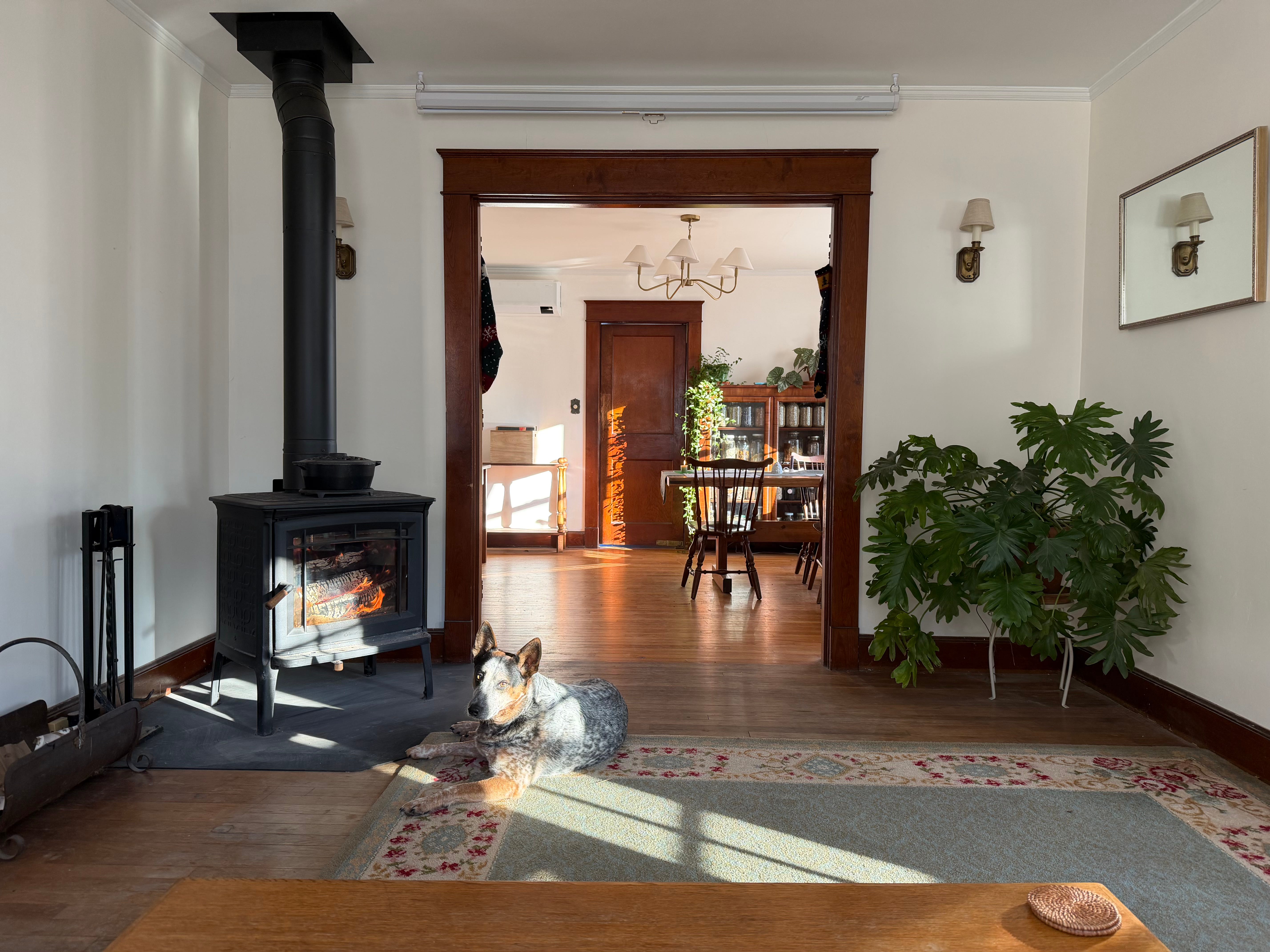
Let’s get away from the rain and reflect on gardening in 2025: we broke ground in glacial soils and built a garden from scratch.
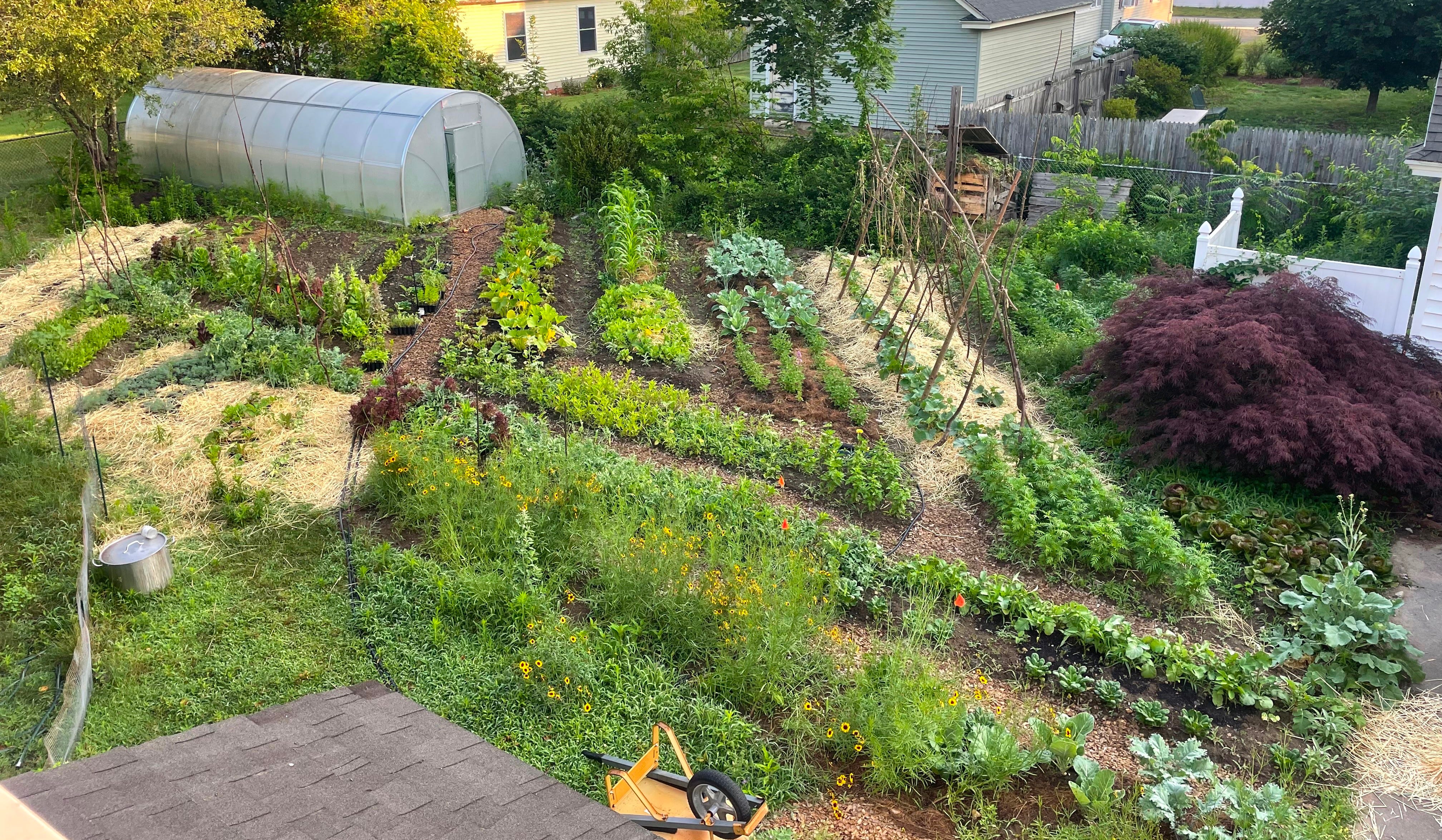
This time last year there was just a freshly filled in pool out there surrounded by concrete and lawn but by July 2025 we were here:
This land was covered by glaciers until ~10,000 years ago. In warm seasons these massive glaciers would have meltwater streams running throughout them. As the glaciers retreated, some of these meltwater streamed gushed off the south end of the glacier and deposited mounds of sand that became inland sand plains. These are known as glaciofluvial landscapes or outwash plains. That’s the parent material of what I’m gardening in! My particular outwash plains are the Windsor Soil Series, to be extremely specific. But if you want to get into the taxonomy of it, this is what I’m working with:
Soil Order: Entisol (second youngest soil order, lacks profile development)
Suborder: Psamments (sandy in all layers of the soil profile)
Great Group: Udipsamments (Psamments of humid regions)
Subgroup: Typic Udipsamments (most common conditions for Udipsamments: excessively drained, sandy textures from glaciofluvial deposits)
All of this means that I have to go over 6 feet deep to hit a restrictive feature or the water table. It’s mostly sand all the way down! (btw, did you know you can classify soils like plants or animals? Yeah… new hobby unlocked…you’re welcome…) Which is to say, this garden was relatively easy to dig. At least, easier than our last garden which was moisture rich, not sandy at all, and the result of glacial till.
Are you curious about your soils? I highly recommend UC Davis Soil Web - you can click that link or download their app which will show you a soil profile of wherever you are, so cool! Less user friendly but incredibly detailed is Web Soil Survey.
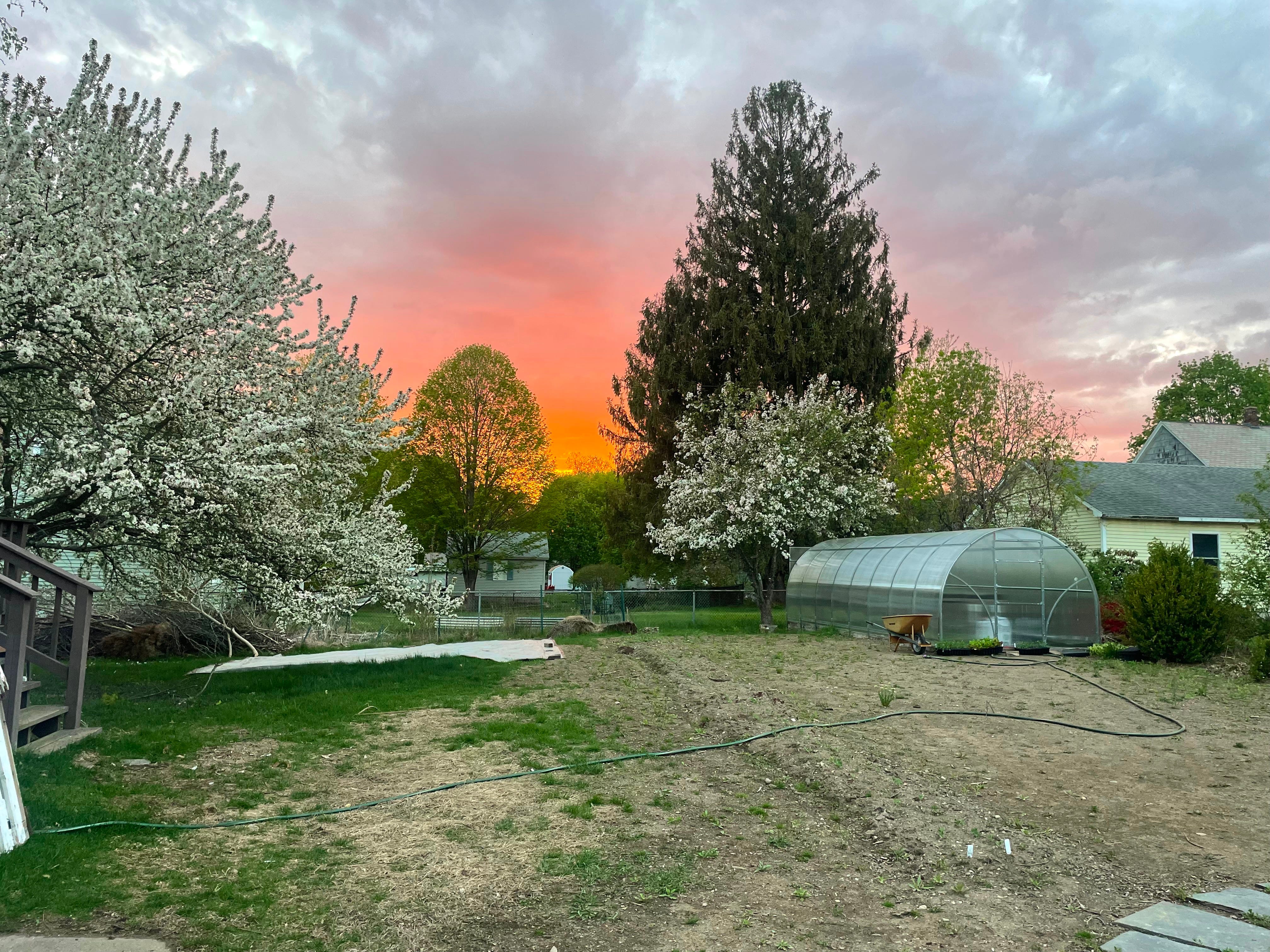
Hayden built a greenhouse in the early spring and started digging garden beds while I propagated literally thousands of seeds.
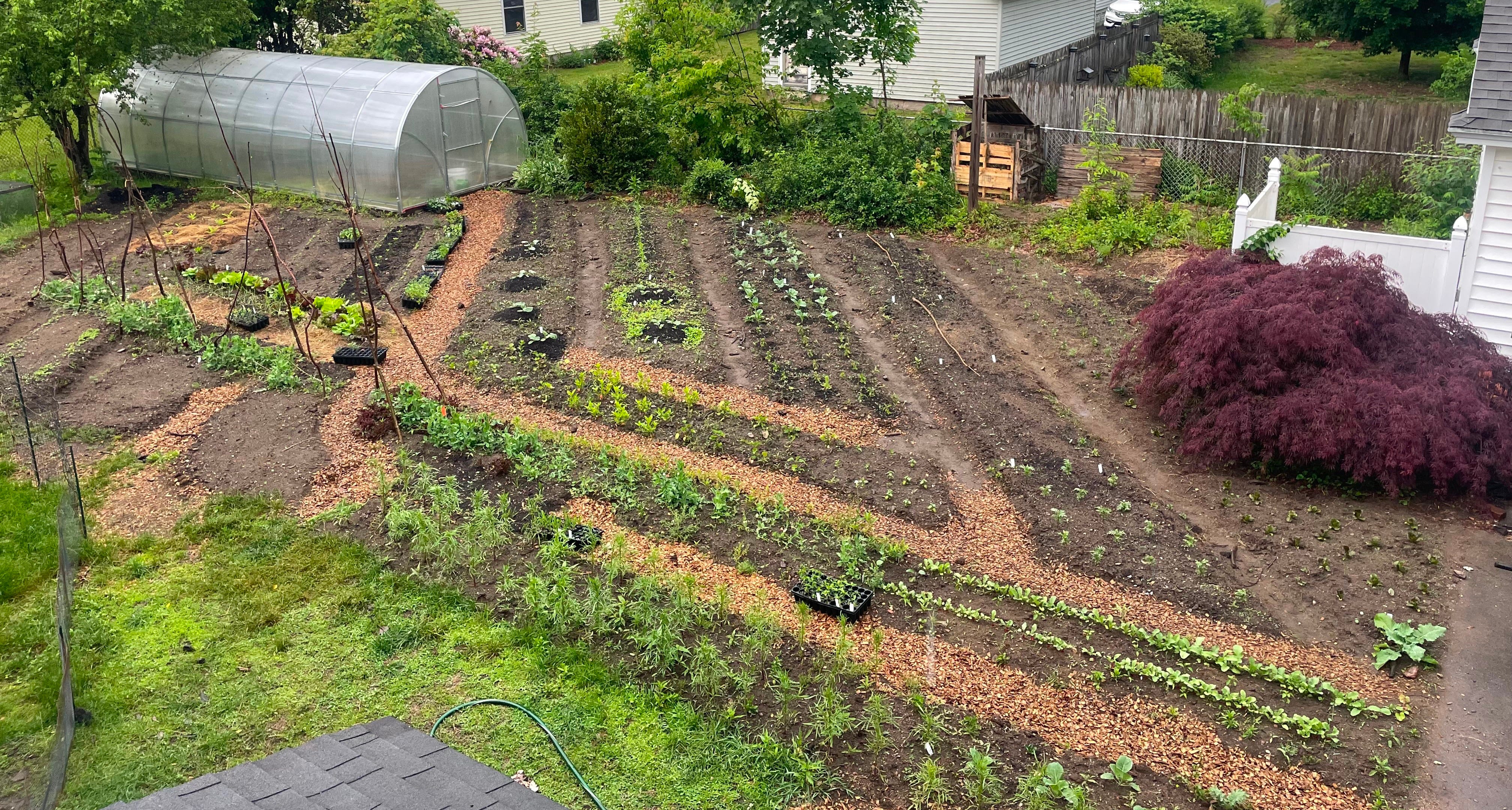
We quickly learned that gardening in glacial outwash was not like anything we had encountered before. We developed four main pillars for success gardening in sandy soils. The first and last point can be applied to any garden, I’m a big mulch fan:
Mulch: straw on every garden bed and wood chips in every path. This is to keep the moisture in your soil which is prone to drying out and eroding. It also keeps weeds from growing and transpiring, leading to more soil water losses.
Fertilize: Nutrients move through your soil quickly. We are experimenting with annual light topdressing of wood ashes from our wood stove (NPK ratio 0-1-3) and regular applications of diluted urine (NPK ratio 11-1-2). If you are shocked, just know most commercial fertilizer is urea. We have urea at home! ALL your questions can be answered by the Rich Earth Institute in Brattleboro, who conduct research and fund education on this taboo but extremely sustainable amendment.
Irrigate: I have a sprinkler system set up on a timer during the growing season. The birds go crazy for it and the plants are very happy. Water is an abundant resource in our region but of course I will scale back the water when necessary, i.e. in a drought.
Add organic matter: We incorporate finished compost into the garden beds as we make them, top dress plantings with them, and add more at the end of the growing season when we are able. This helps the soil structure form aggregates which allow the soil to hold onto water for longer and slow release nutrients to the plants.
Bonus point: inoculate your fresh wood chip paths with Stropharia rugosoannulata mycelium. This fungi will go deep into your soil and bring minerals and water to your plants, which will in turn provide it with carbohydrates. It will also break down your wood chips, turning them into organic matter that will be incorporated into you soil, and finally they will produce a gorgeous and delicious mushroom for you to harvest!
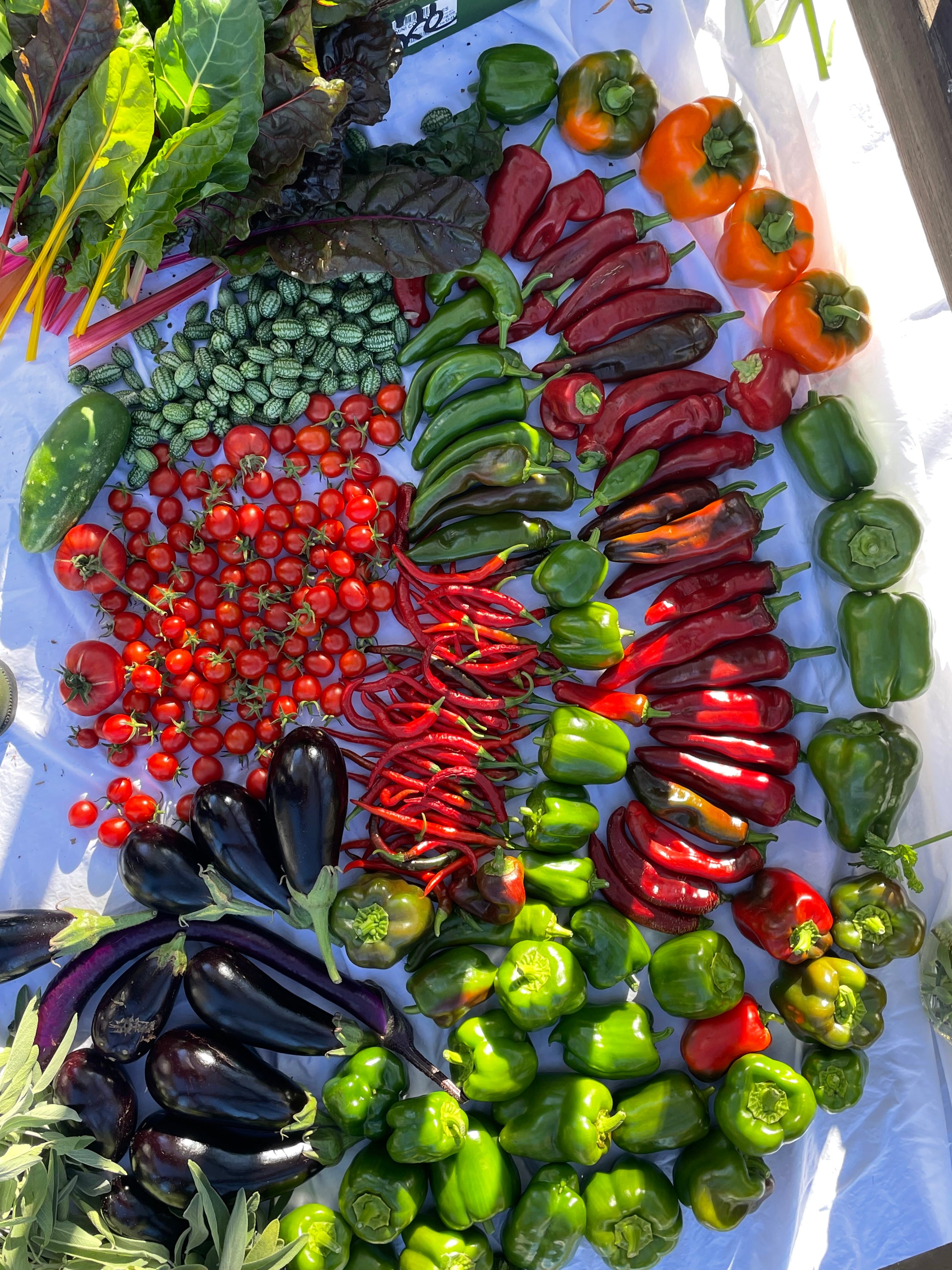
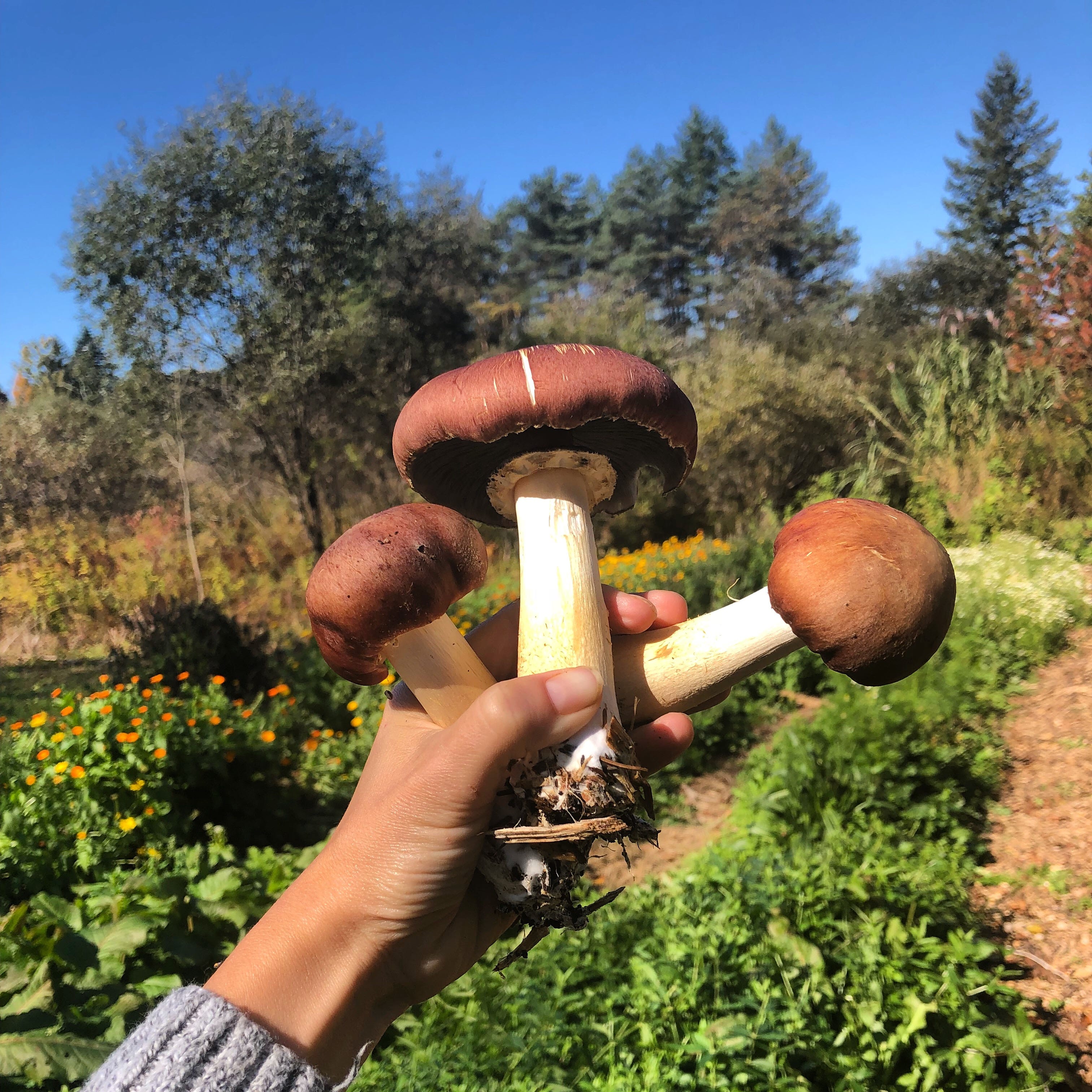
2025 garden was a success but 2026 garden will be even better. Much of the infrastructure has been established so we can spend our energy improving systems rather than building them from scratch. I’m looking forward to camping out in front of the wood stove and spreadsheeting the vegetables, herbs, and flowers we will be growing next season. I may even be making plans to install an outdoor shower…
In 2026 we are applying to be a Certified Wildlife Habitat by the National Wildlife Federation.
I was already planning to remove the overgrown privet hedges peppered with bittersweet vines that line our corner property and replace them with native plants for wildlife and beauty when I listened to this episode of In Defense of Plants. But listening fired me up to do a really good job and to add on a few more ways to be an oasis for wildlife in my neighborhood.
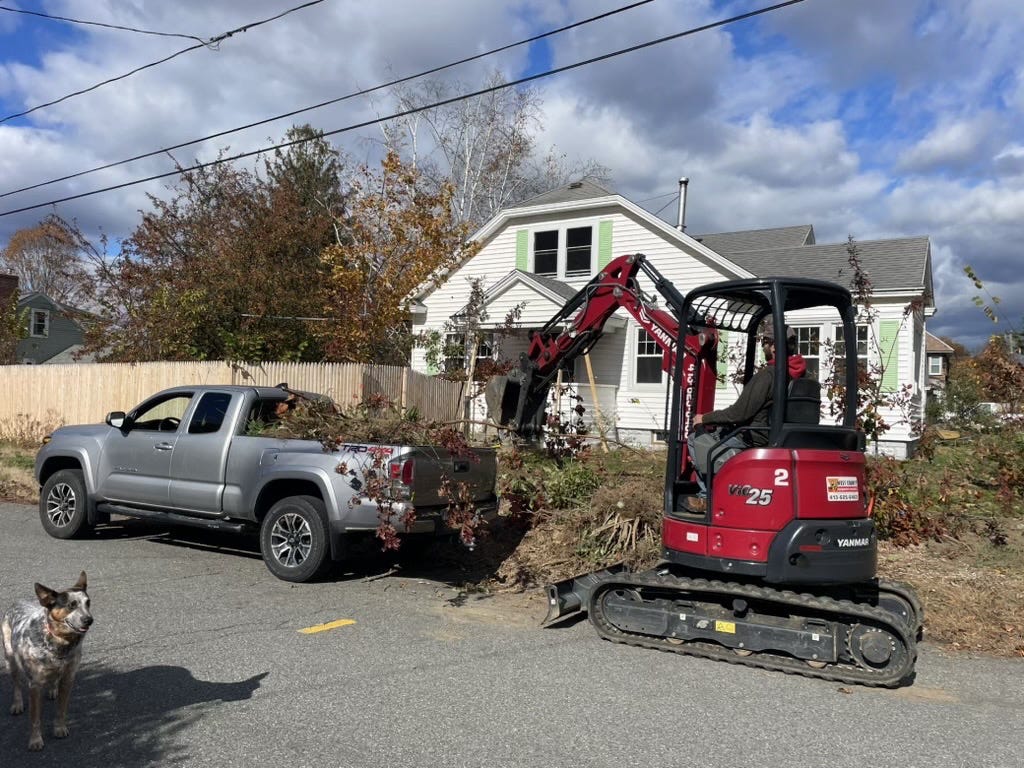
Both privet and bittersweet are invasive plants, meaning they easily spread into the woods and outcompete slow growing native plants in a way that disrupts the ecosystem, reduces biodiversity, and creates a scarcity of high quality food for native animals. We live right next to a riparian area, so we felt pressure to remove these plants as fast as possible. In their wake we are primarily planting native plants that thrive in sandy soils (thus requiring little to no soil amendments from us) that will support wildlife. We will also plant some native fruit trees and shrubs for the enjoyment of the neighborhood. To figure out what plants to go with, we looked to one of our favorite local hang outs, the Montague Plains, a nearby glaciofluvial landscape that is regularly burned and logged so that it stays a sand plain, and as a result, is home to several rare species.
We have already planted a section of former lawn intensively with: aronia, beach plum, little bluestem, baptisia, red bud tree, shruby saint john’s wort, uva ursi, and more. To get rid of the privet hedge we had to rent an excavator, which left a lot of bare soil. I seeded the soil with a blend of native seeds suited to our plot that Hayden and I put together and then mulched it in. Those seeds will stratify over winter and then come up in the spring. At that point we will begin filling in the front area with trees and shrubs.
A taste of the plants we are landscaping with:


Some scenes from the 2025 garden:


I’m on semester break! Later this week I am working on my native seed stratification calendar for 2026. Some seeds need to get started as early as January. Do you want me to share about that process and how you can do it too?
Thanks for reading! If you made it this far, tap that little heart to let me know you were here <3
xo,
Geraldine
winter is the a special time in the mind and heart of a gardener ❤️
Hi thank you so much for sharing, yes very interesting and useful info and tips to try out. I have been wondering about how to experiment with using hard wood ash from wood stove in the garden. I am super interested in anything you are up to with cultivating Native Plants. I have been learning about this topic the past couple years. I tried to do a mini meadow area after reading some books on the topic but it didn't work for me so far. I am also simply tending more to Natives already on my property like Yucca by weeding out invasives surrounding it so it will thrive more.