

Seed Stratification
A promise of Spring in a shared spreadsheet

Many native seeds need a period of prolonged exposure to a cold, moist environment in order to germinate. We call it stratification. The number of days a seed needs this treatment can vary from 10-120 days but you’ll see in the spreadsheet below that most seeds do well with 30-60 days. In other words, you still have time to stratify your seeds for the 2026 season!
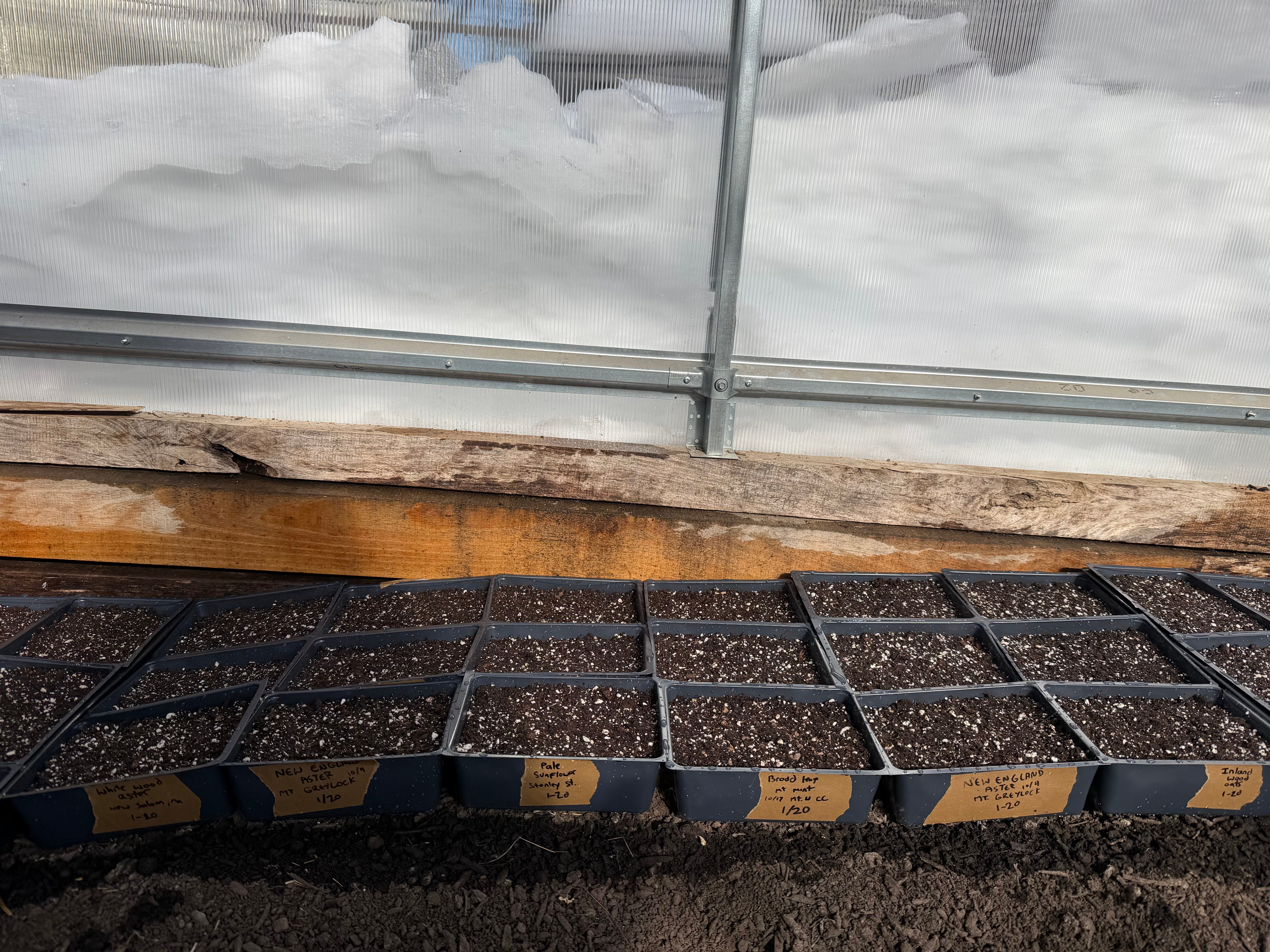
There are different ways to accomplish stratification:
Planting your seeds directly in their trays/plugs and keeping them outside, in an unheated porch, an unheated greenhouses, or a refrigerator if you have access to one big enough with room to spare.
You can also try a more spatially efficient method in which you wet a paper towel, sprinkle your seeds atop it, fold it over, and store them in a plastic bag in your refrigerator. Label them with the name of the seed, where you got it, and when you started stratifying it. Put an alert on your calendar for the end of the stratification period and then plant your seedy paper towel in plugs/seed trays.
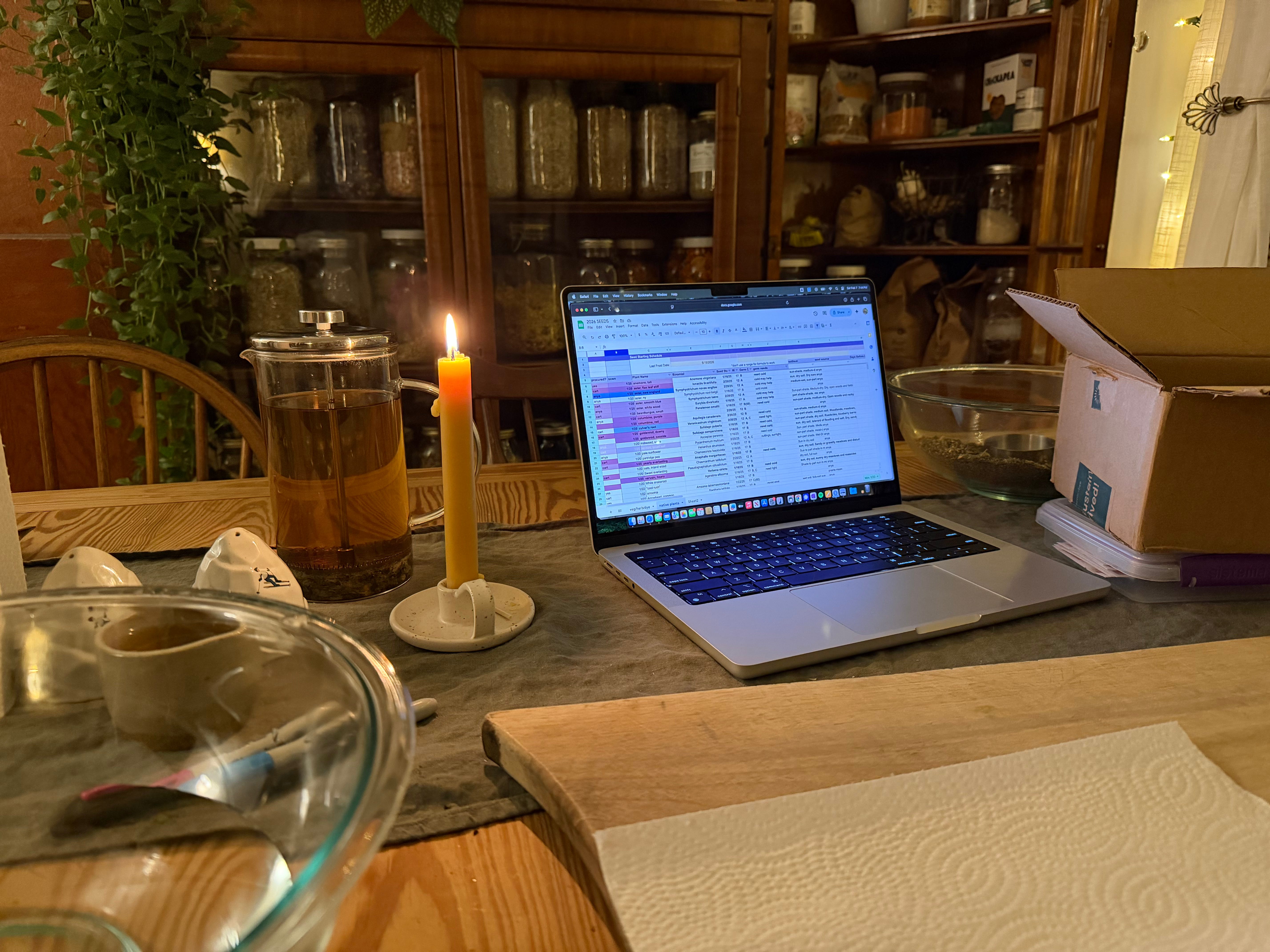
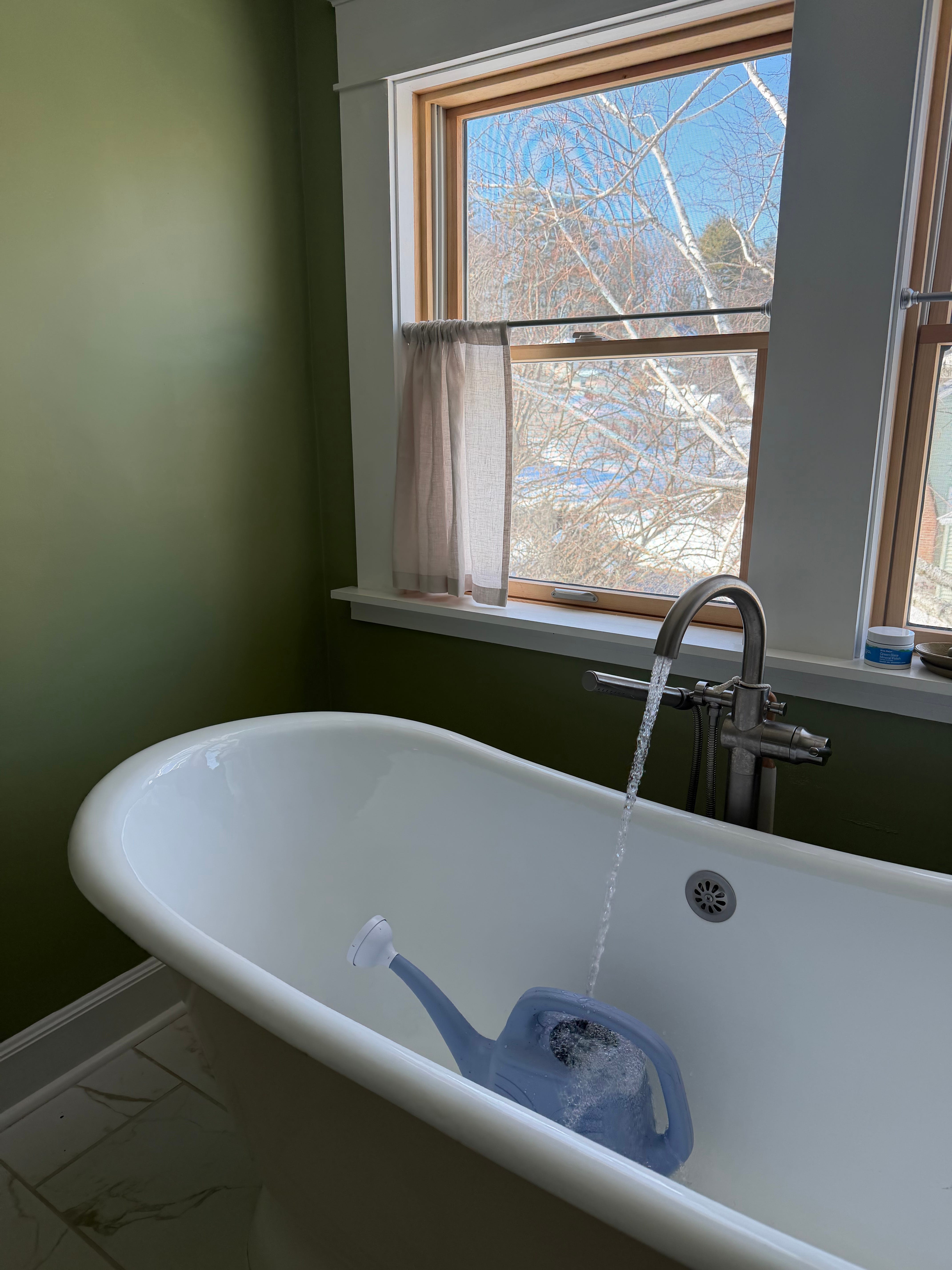
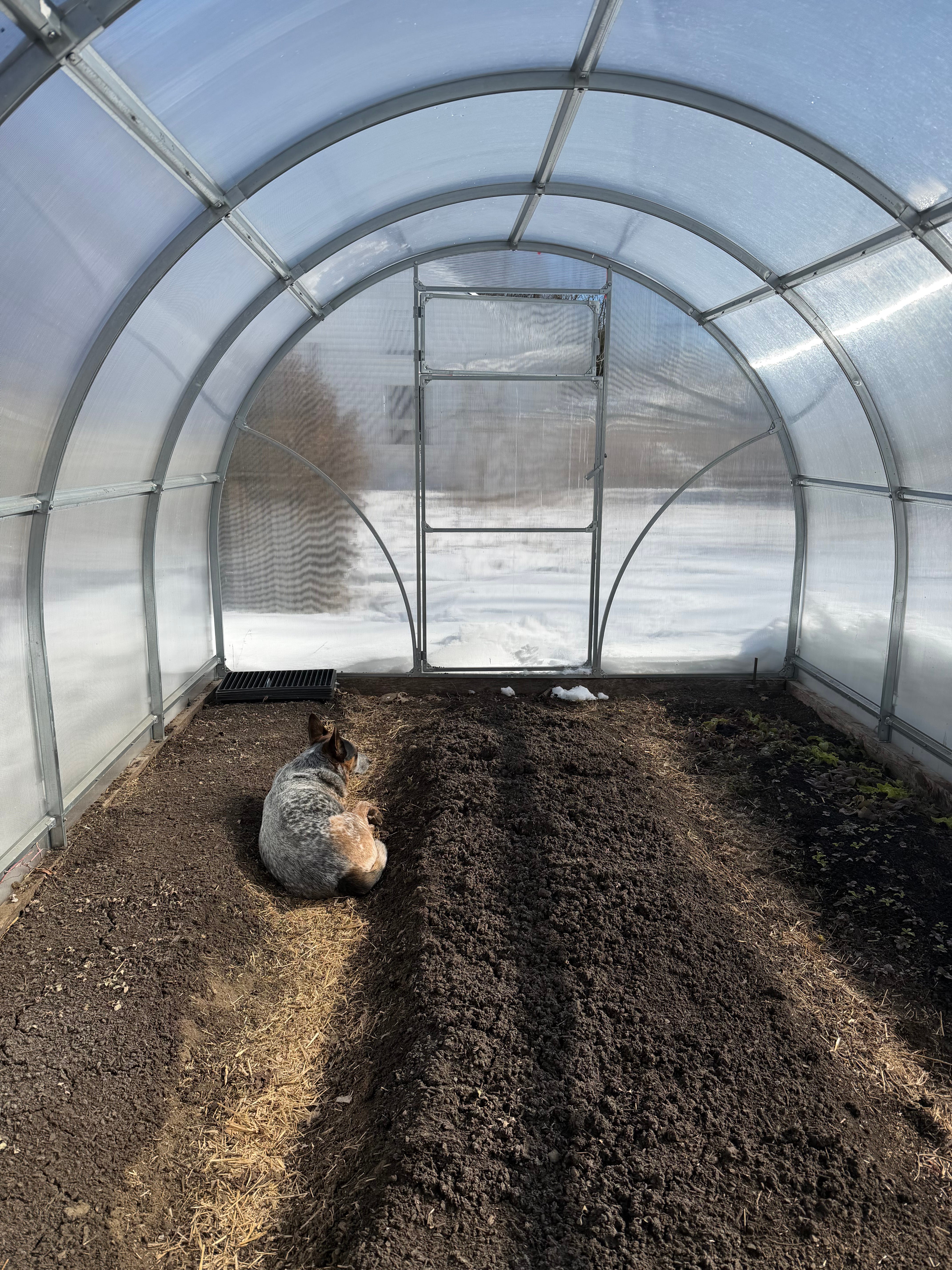
I like to do a little of column A and a little of column B. I first and foremost plant directly in trays and keep them in my unheated greenhouse because it is so convenient to have the seeds already sown come spring when there are 100 other things going on. I sow them thickly in wide trays and then prick out the seedlings into individual plug trays when they sprout in spring. I also like to make back-up bags for each species I’m sowing in the fridge as a fail safe in case anything happens to them in the greenhouse.
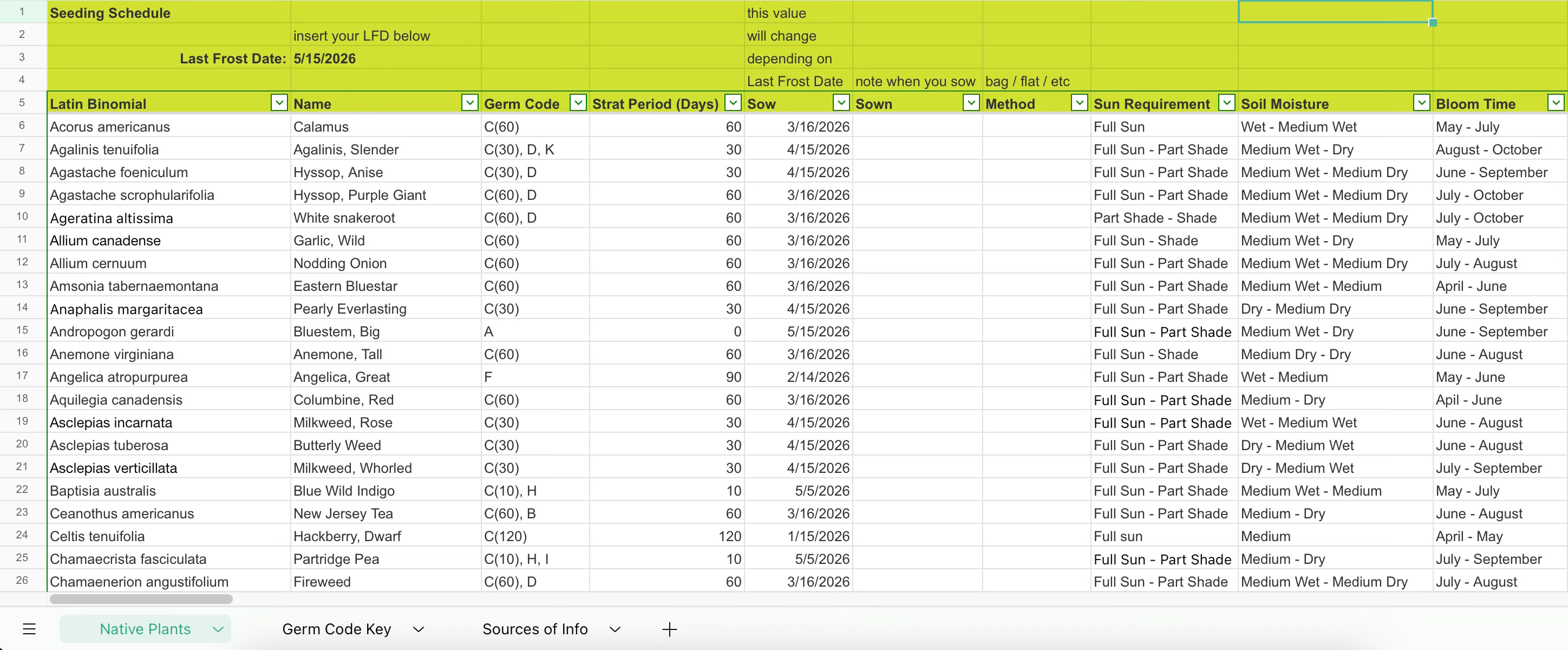
Spreadsheets are my favorite way to organize my seeding experiments. I’ve been chipping away at making this one for us and I hope you love it. There is a spot at the top where you can plug in your last frost date and then all the cells in the “Sow” column will change based on that! That column is dependent on the Last Frost Date as well as the “Strat Period” column.
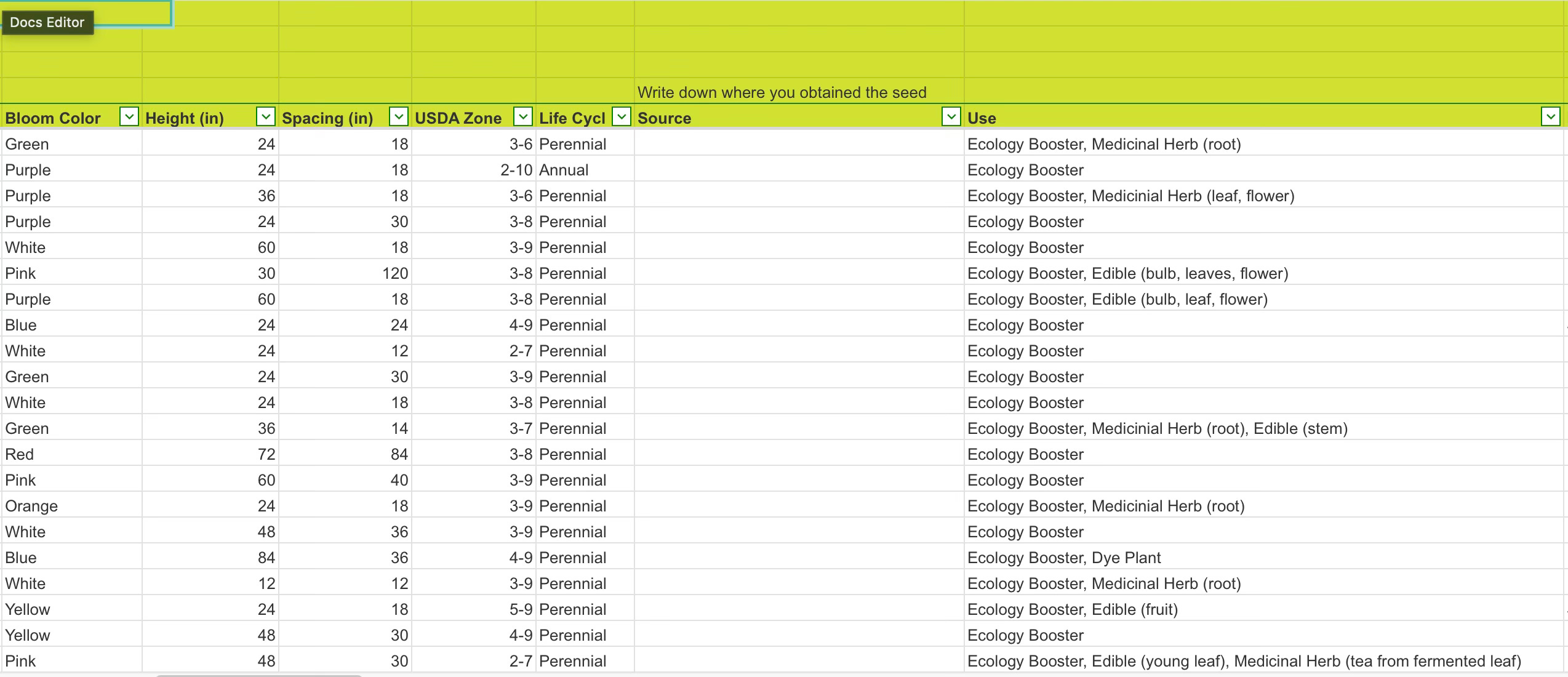
I included all of the native herbaceous plants I’m growing this year (so far) and lots of information about each one, including how many days they need to be stratified for. The fun thing about this spreadsheet is you can use the little arrows next to each title to reorder the cells below. That way you can order by soil moisture requirement, sun requirement, bloom color, sow by date, use, height, name and so on.
Here is a preview:
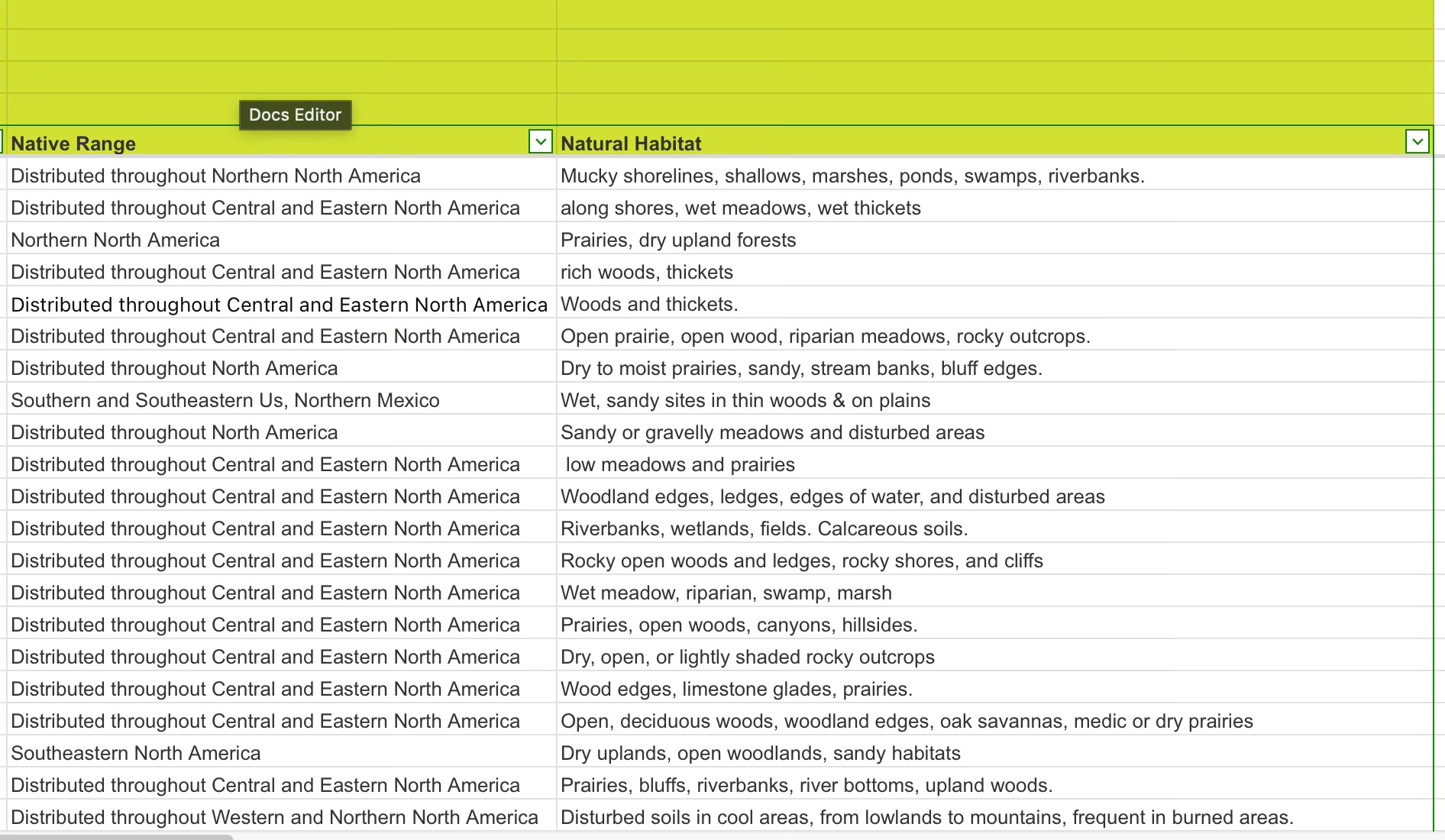
I used Proton Mail Spreadsheets because they are encrypted and it’s just nice to keep making little choices that move me and my communities away from the large tech conglomerates that are creating an evil surveillance state.
I hope you enjoy the seeds I chose. I am particularly interested in drought resistant plants right now because I live in a sand plain and also I believe that drought resistant plants are widely applicable to this era of climate extremes. You’ll see that there is a range of habitats on there though. There are also medicinal herbs, food plants, and more. I hope you find some seeds that you want to grow! You can also add your own seeds to your copy of the spreadsheet, plug in how many days they need to stratify, and pull down the “Sow” cell so that the values change for your new additions.
There is a “Germ Code” tab at the bottom that follows Prairie Moon Nursery’s coding conventions. Seeds that need stratification (most on this list) have a Germ Code of C() with the number of days they need to be stratified for in the parenthesis, i.e. C(60). Some other codes you might see are D (seeds need light to germinate, sow them on the surface) or H (seeds need scarification to germinate, rub them with sandpaper.)
Let me know how you like the spreadsheet in the comments and replies!!
A note about native seed sourcing:
The other day I was chatting with a botany professor about the unintentional breeding/natural selection that can happen in native plant nurseries. The person collecting the seed to replenish the stock may keep choosing plants with the most desirable traits in the eyes of the harvester: showy flowers, large seed pods. But other traits that could be useful to the plant may be falling out of the gene pool.
So, what to do?
I think the golden ticket would be collecting your own seed and selecting individual plants with diverse traits for each species to collect seed from. This is something I would like to get more into this year!
In the meantime, buy seeds from cool native seed companies in your region who have ideas like this on their radar. Some great companies in my region are Wild Seed Project and Eco 59. Prairie Moon Nursery is also a great resource in terms of both seeds and information about growing them. They are based in the Midwest. Whether you are getting an ecotype perfectly suited to your micro region or a plant native to your general region, I’m thrilled for you and all the wildlife that will benefit from your garden.
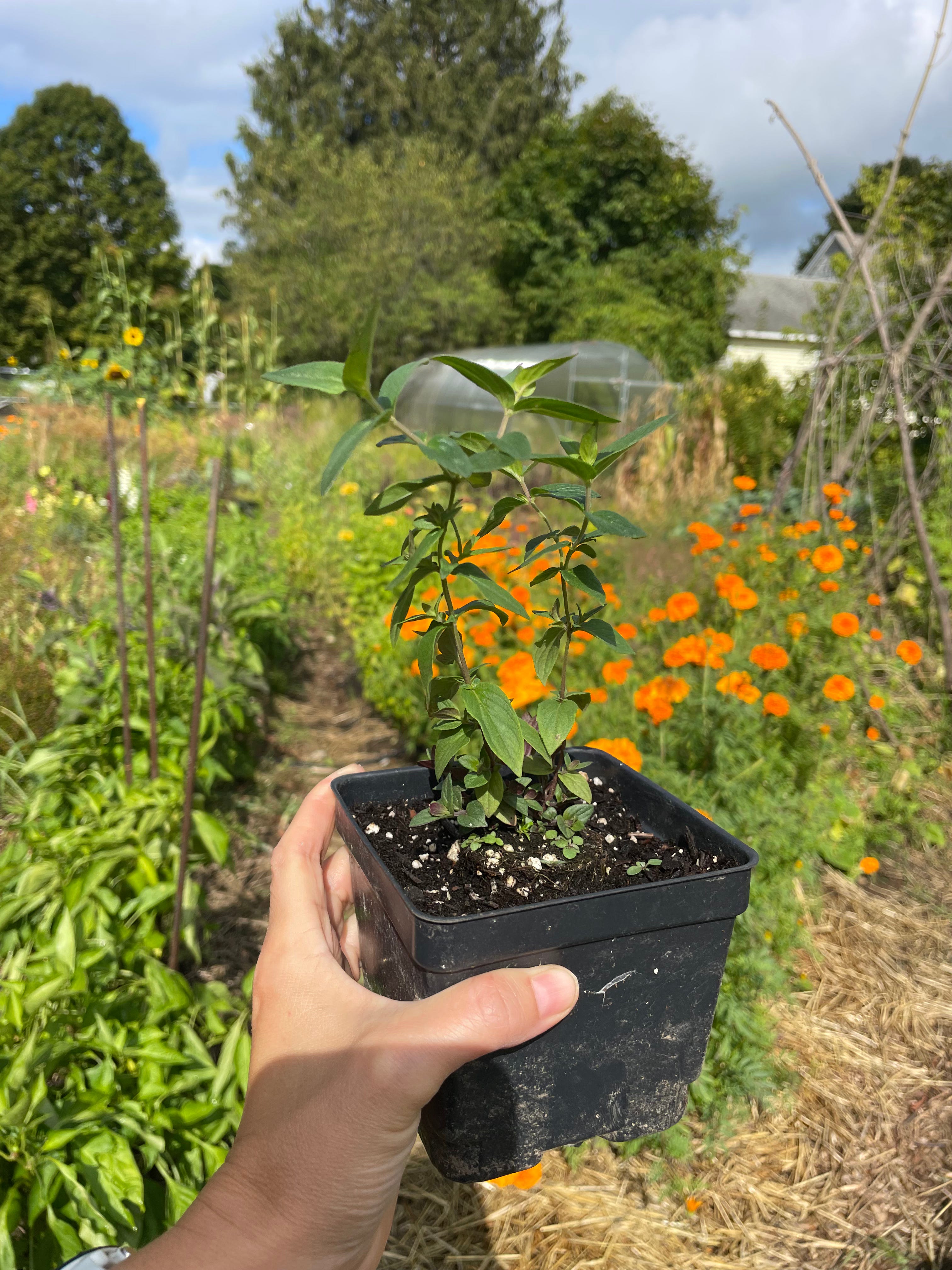
Ask your seed starting questions below! I will be making another spreadsheet of all my vegetables, herbs, and flowers (that do not need stratification) for the next season soon and I’ll probably share that here as well.
xo,
Geraldine
p.s. if you enjoyed this newsletter, show a little support by clicking that heart and letting me know you were here!
Thank you! You really inspire me. I love gardening but have moved recently to New Mexico, where it seems like everything is so hard to grow! Do you have a favorite soil you recommend for starting seeds? Also, should I start my seeds indoors 6-8 weeks before the last projected frost date? I wouldn't be starting my seeds until early April, which feels very late to me, based on the projected last frost date. Thanks!
Beautiful Geraldine, I forever admire your organizational skills :)