

Proforestation sounds good for forests, but is it?
woodsy talk

Before I get into my big feelings on proforestation - can we talk about Big Bend for a second?
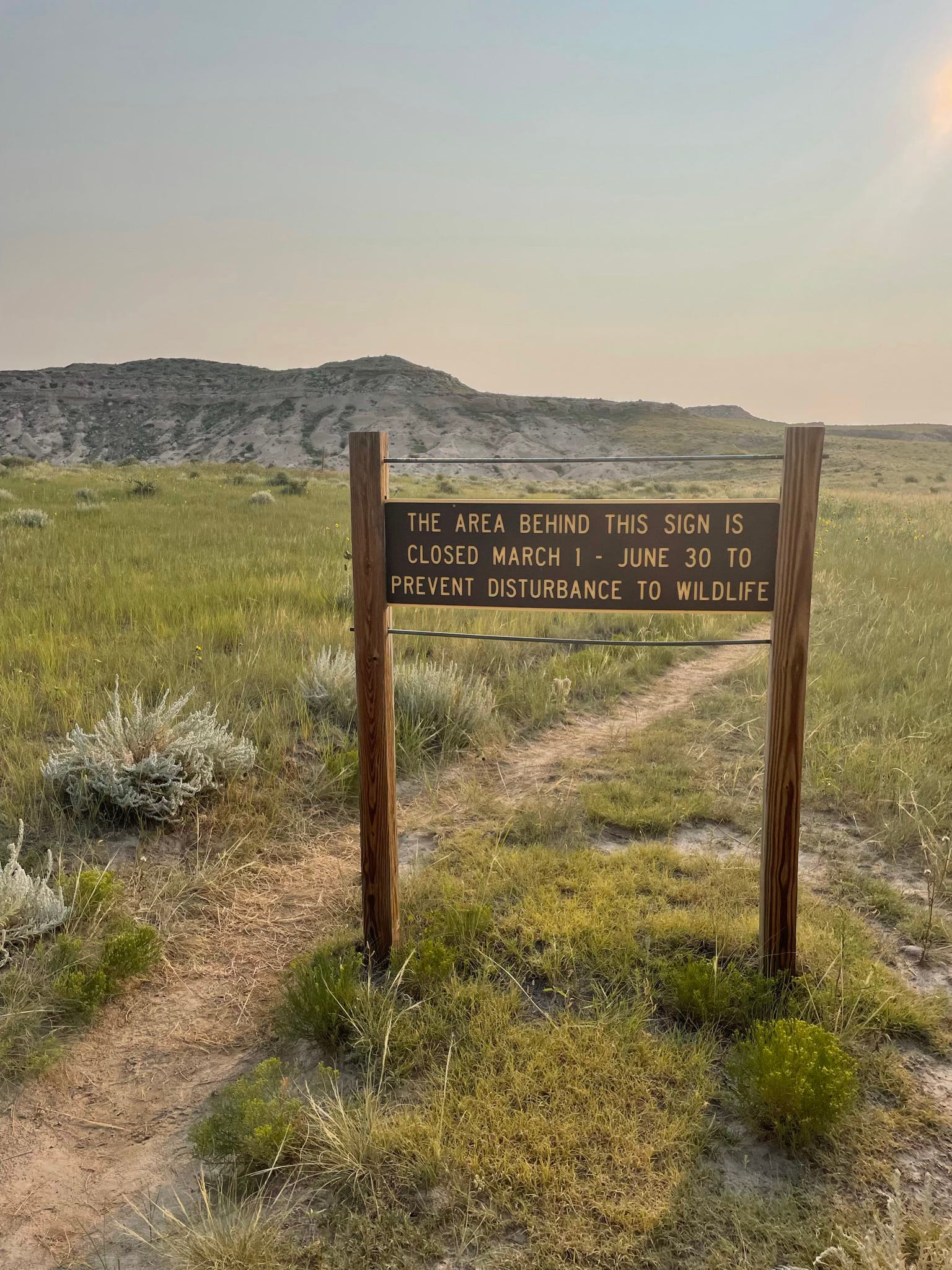
US Customs and Border Protection released a plan for a “Smart Wall” a few weeks ago. It has been green lit which includes waiving 28 laws that protect environmental and cultural resources. If they really do this (and based on the way they are already blowing up national park land in Arizona, I believe they will try) the effects on the land will be disastrous.
Migration is natural for everyone. In addition to the immense suffering this will cause humans on both sides of the arbitrary border, bighorn sheep, black bears, mountain lions and many more animals will be separated from resources and migration paths they have used for thousands of years.
Construction has not yet begun - we still have time to protect this precious ecosystem. If you have a minute: sign this petition. Have a few additional minutes? Call your reps.
We are in this together <3


Now for some tree talk:
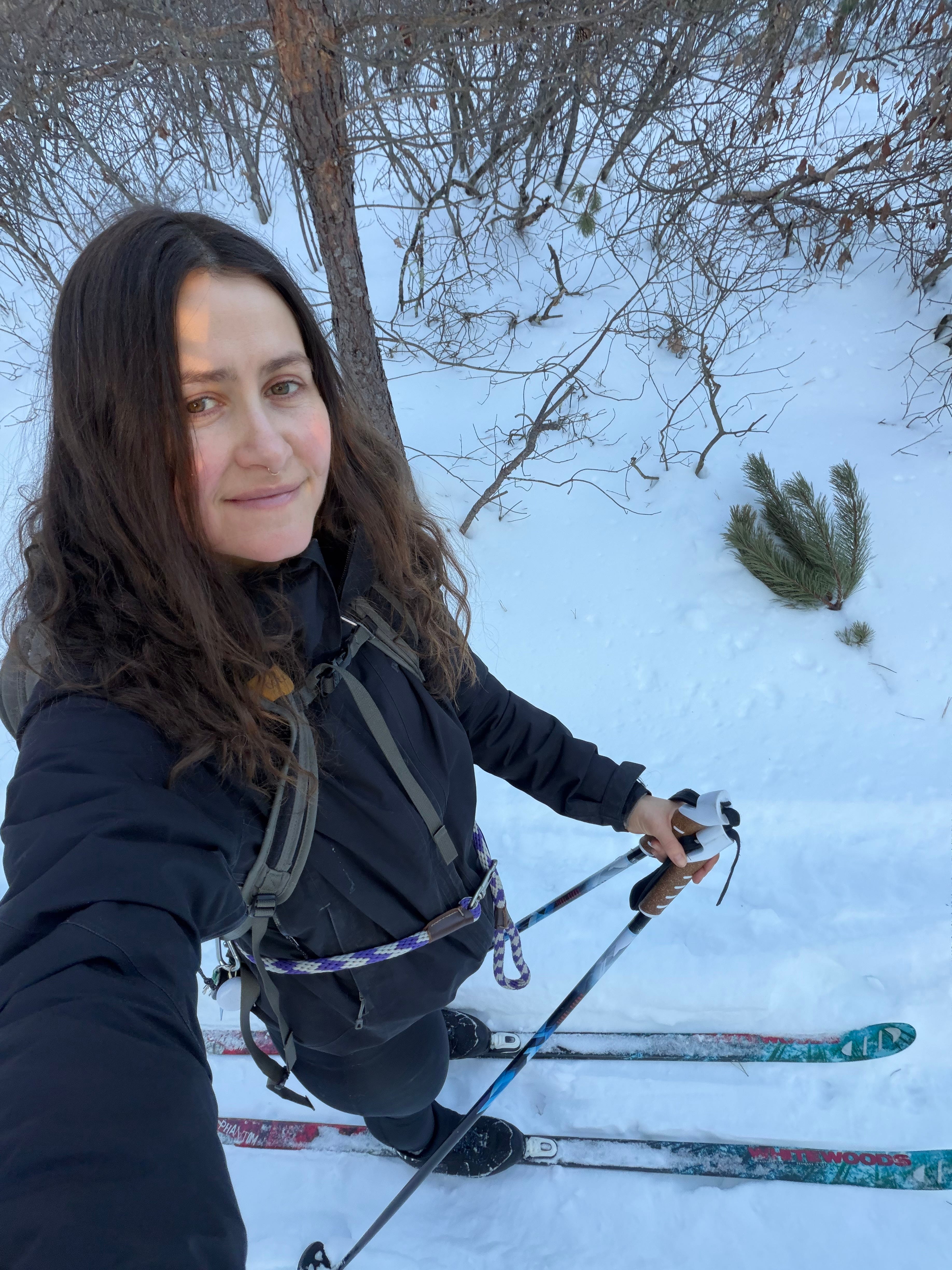
The famous American naturalist and writer, John Muir, fundamentally misunderstood what he was seeing when he wrote home about the “pristine and untouched” landscapes he encountered on his westward travels. The grasslands, meadows, and forests were in fact carefully managed by indigenous people for millennia before his arrival. Muir inspired a hands-off approach to land conservation that views humans as separate from ecosystems, rather than as an essential component of them. Although the majority of forest scientists no longer prescribe hands-off management style plans, this once dominant viewpoint still exists within a niche activist group advocating for policy change called the Proforestation movement.
The thesis of the Proforestation movement is that we should leave forests alone. Proforestation activists oppose all active forest management including clearcutting, selective logging, and prescribed burns. However, nuance is lost when we treat clear cutting forests, selective logging, and prescribed fire with the same broad brush strokes. Forests provide food, clean water, medicines, lumber, fuel, and respite. We should be actively engaged in monitoring, protecting, and managing them through the practice of silviculture.
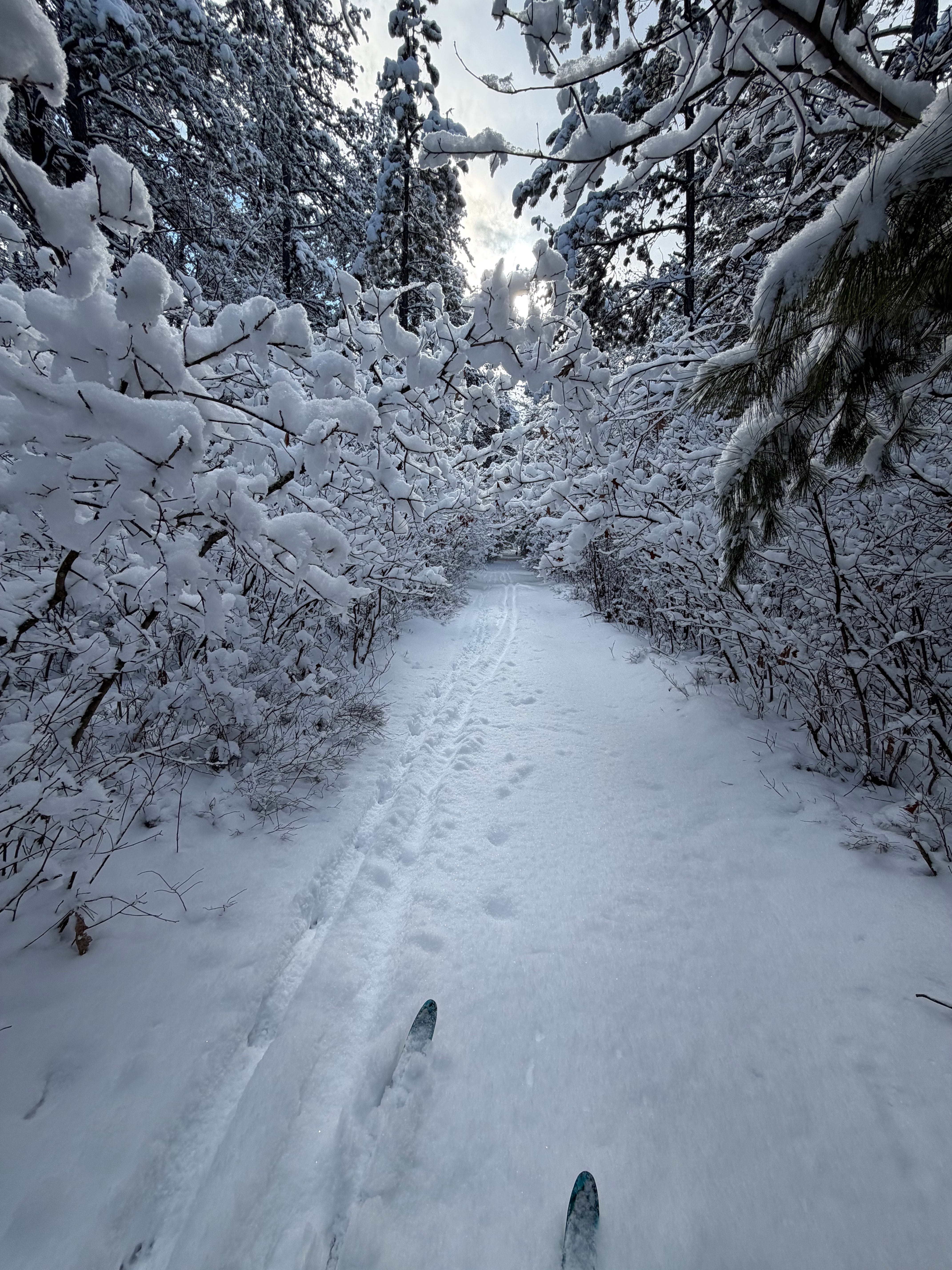
Silviculture is “the art and science of controlling the establishment, growth, composition, health, and quality of forests and woodlands to meet the diverse needs and values of landowners and society such as wildlife habitat, timber, water resources, restoration, and recreation on a sustainable basis.” A forest carbon study published in 2025 by Harvard Forest and University of Massachusetts found that “Active forest management, including continuing conventional and climate-oriented silvicultural practices, can improve key indicators of forest resilience to climate change.” Active management of forests through the practice of silviculture provides us with the opportunity to respond to anthropogenic disturbances throughout forest ecosystems.
Over the last 200 years, advances in the global plant trade have introduced invasive species in the form of plants, pathogens, and pests that have wreaked havoc on our forests. One such introduced fungal disease wiped out the once dominant American Chestnut tree. The American Beech tree is on the verge of reaching the same fate. Meanwhile in the understory, non-native shrubs and vines with no natural predators are smothering slow growing native plants and obliterating botanical diversity that leads to the extinction of individual plant species and threatens the native animals that depend on them. These forest systems will not heal without human intervention and it is our responsibility to step in and mitigate problems that we created in the first place.
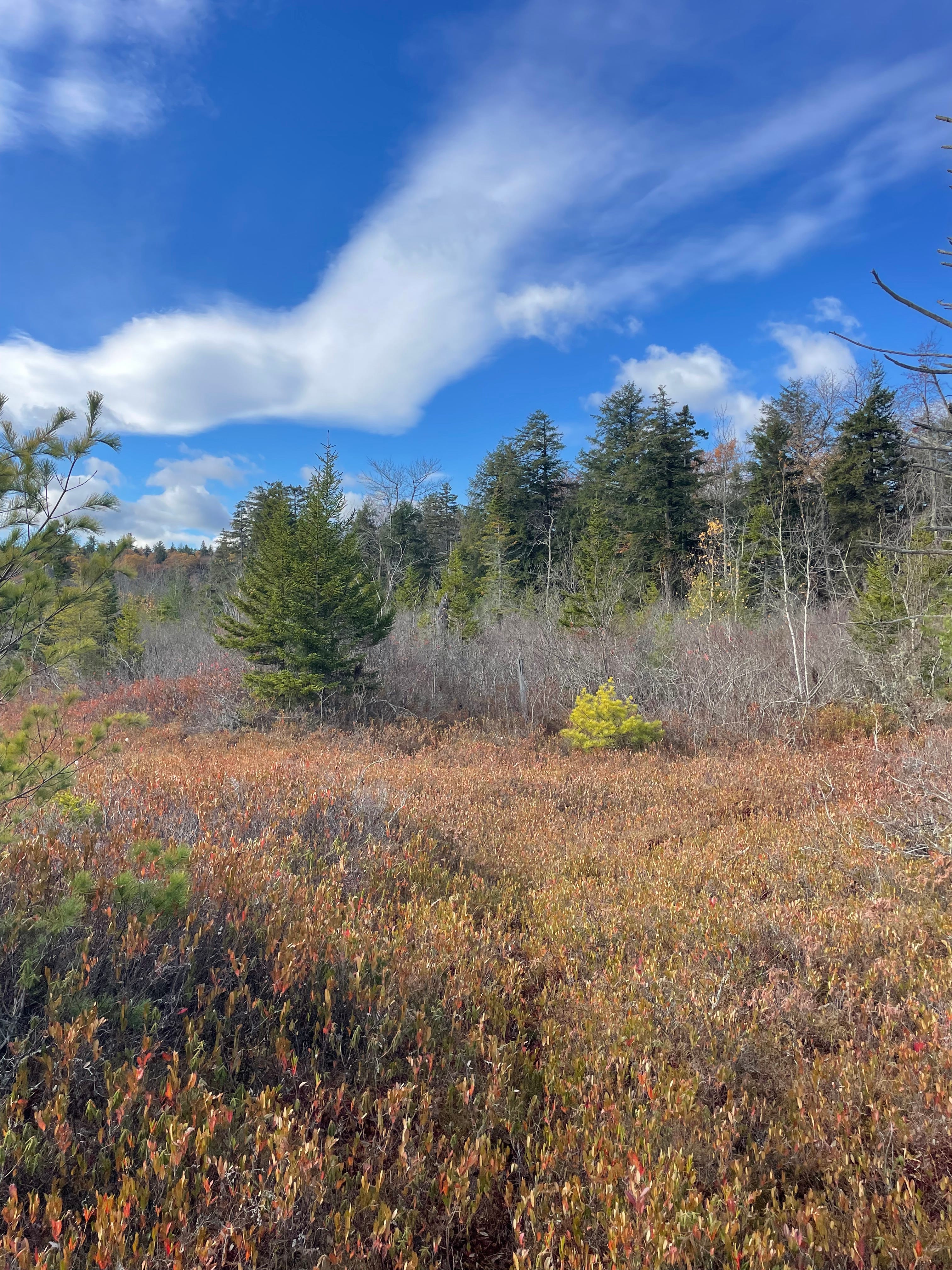
Southern New England has a devastating legacy of deforestation. This land was 90% forested before European settlers arrived. By the 1880s European colonists wiped out 70% of forests in the areas known today as Massachusetts, Rhode Island, and Connecticut. As the current administration rolls back environmental protections, many worry that widespread clear cutting could happen again. Deforestation has disastrous effects that include loss of biodiversity and habitat, carbon release, has cascading effects on soil health and water systems, and is deeply damaging to indigenous communities. I can understand how one might learn about the horrific logging that occurred in this region and want to ban chainsaws forever, but forest conversion (clearcutting for development) is not the same as managing forests for an outcome that provides both renewable resources and maintains healthy forest structure. Proforestation fails to bring a nuanced approach to forestry and is at odds with both forest science and indigenous wisdom. Silviculture and deforestation should not be conflated.
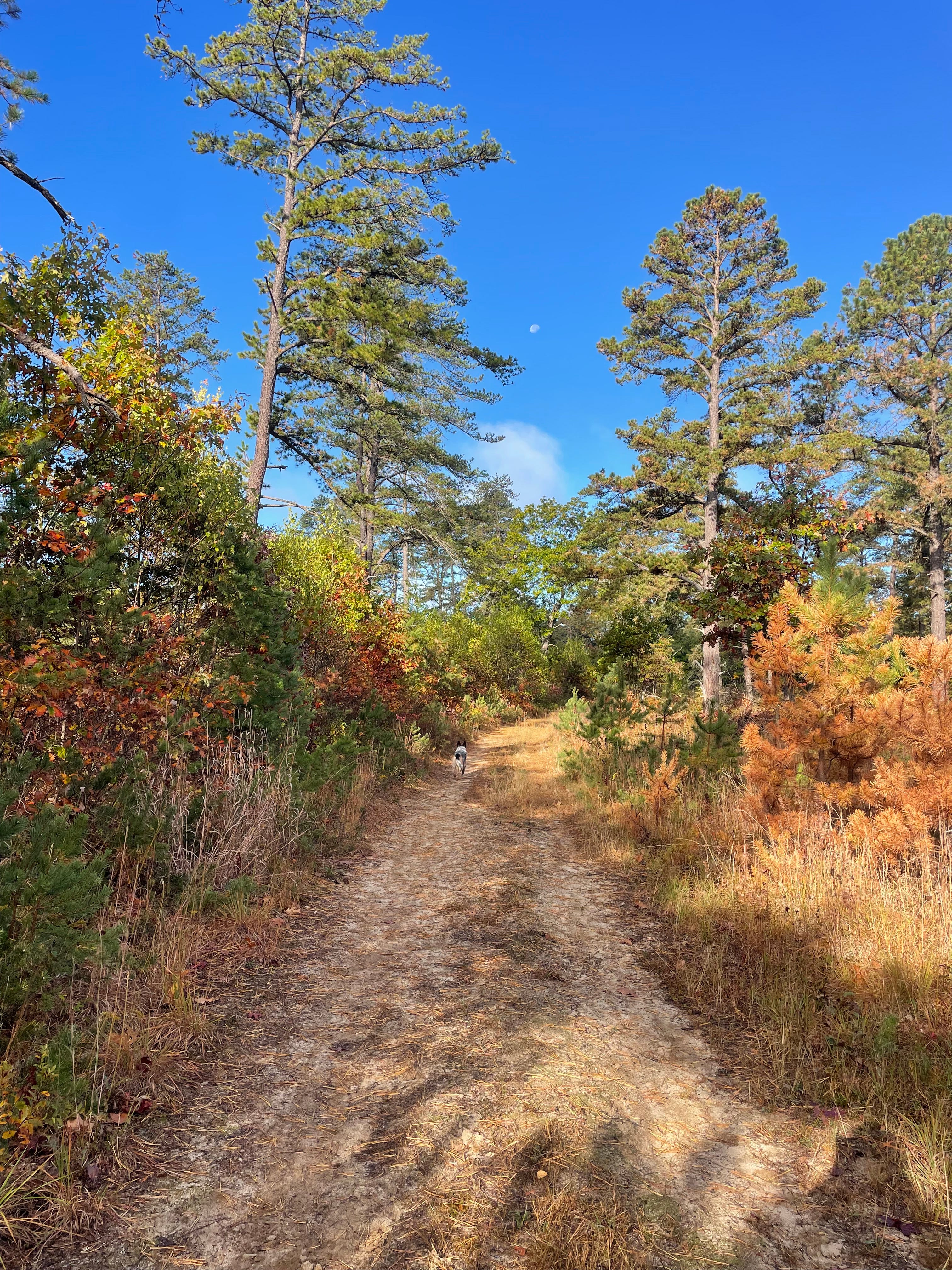
The Montague Sand Plains is a local example (to me in western mass) of an ecosystem that is actively managed with selective logging and prescribed burns and as a result is home to incredible biodiversity including at least ten rare plant and invertebrate species. If this landscape were not actively managed it would not provide the early successional habitat crucial to the fire-dependent species that live there and would become a fire risk to the surrounding communities due to the uniquely dry soil structure. In fire prone environments it is important to have small, low burning fires regularly to burn up woody “fuel” that would otherwise build up to the point of being capable of sustaining a crown level fire, which would be a threat to the forest ecosystem and surrounding communities.
A group of forest scientists and environmental lawyers from Yale School of the Environment wrote to the Governor’s Council on Climate Change to oppose recommendations made by a Proforestation group seeking to ban all timber harvesting on Connecticut’s state forestlands. They said, “The science of silviculture in Connecticut is not about cutting primary forests, planting monocultures, or other such extractive practices which deliver only short-term gain. Outdated caricatures of forestry professionals are detrimental and threaten the resiliency of our state’s forests. Silviculture is about sustaining healthy forestlands, which involves anticipating and responding to disturbances that threaten long-term forest health, through science- and practice-informed strategies.”
Proforestation seeks to create an unnatural binary between human and nature that ignores both indigenous wisdom and modern forest science. We can advocate for the protection of old growth forests and stand up against clear cutting while also managing forests through silviculture and prescribed burns that effectively respond to invasive species, prevent large-scale forest fires, maintain high biodiversity, and produce renewable resources for lumber, fuel, and food. There is a world of difference between clear cutting and an active management plan that includes selective logging and prescribed burns. The Proforestation movement glazes over that nuance.
As usual, I’m interested in your perspective. So tell me what you think!
Sources for the proforestation essay linked below. Loads of interesting papers and articles to look into if I’ve piqued your interest.
xo,
Geraldine
p.s. if you’ve read this far…wow…forest lover…hit that little heart button ok
Sources:
Abrams, M. D., & Nowacki, G. J. (2020). Native American imprint in palaeoecology. Nature Sustainability, 3, 896–897. https://doi.org/10.1038/s41893-020-0578-6
Anderson, M. K. (2005). Tending the wild: Native American knowledge and the management of California’s natural resources. University of California Press.
Moomaw, W. R., Masino, S. A., & Faison, E. K. (2019). Intact forests in the United States: Proforestation mitigates climate change and serves the greatest good. Frontiers in Forests and Global Change, 2, Article 27. https://doi.org/10.3389/ffgc.2019.00027
MacLean, M. G., Duveneck, M. J., Plisinski, J., Morreale, L. L., Laflower, D., & Thompson, J. R. (2021). Forest carbon trajectories: Consequences of alternative land-use scenarios in New England. Global Environmental Change, 69, Article 102310. https://doi.org/10.1016/j.gloenvcha.2021.102310
Oswald, W. W., Foster, D. R., Shuman, B. N., Chilton, E. S., Doucette, D. L., & Duranleau, D. L. (2020). Conservation implications of limited Native American impacts in pre‑contact New England. Nature Sustainability, 3, 241–246. https://doi.org/10.1038/s41893-019-0466-0
Roos, C. I. (2020). Scale in the study of Indigenous burning. Nature Sustainability, 3, 898–899. https://doi.org/10.1038/s41893-020-0579-5
The Forest School. (2023). Final — The Forest School GC3 response [PDF]. Forest Policy Pub. https://forestpolicypub.com/wp-content/uploads/2023/03/Final_The-Forest-School-GC3-Response-1.pdf
U.S. Forest Service. (2023, November 28). Silviculture. U.S. Forest Service Research & Development. https://research.fs.usda.gov/managingland/forestmanagement/silviculture
Frontier Group. (2022, July 12). Proforestation — What it is and why it matters. Frontier Group. https://frontiergroup.org/articles/proforestation-what-it-and-why-it-matters/
AGU abstract (ADS record). (2012). [Abstract A32E-07B]. AGU Fall Meeting 2012. https://ui.adsabs.harvard.edu/abs/2012AGUFM.A32E..07B/abstract
Great essay, thank you Geraldine!
Read Kat Anderson Tending the Wild. You will love it, if you have not already. We met you at a presentation at Yale years ago, we foraged the campus. Keep it up you are doing just great. Fantastic.